
Tetris games
Play the best free online Tetris games. You can play Neave Tetris, Kokoris, Fallobst, Nuclear Tetris and many more Tetris games. In Tetris games you usually have to complete lines with the falling tetromino shaped blocks.
Tetris Slide
Classic Tetris game with a twist: move only the bottom bricks.
Play
Slidris
Slide blocks and complete lines like in Tetris.
Play
Block Monsters 1010
A classic game of 1010 with Block Monsters.
Play
Drop It
Relaxing Block Puzzle game.
Play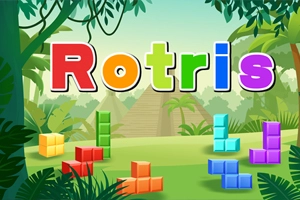
Rotris
Enjoy this spinning Tetris game.
Play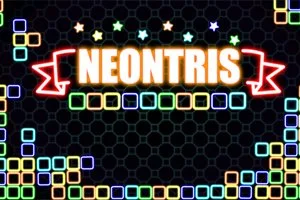
NeonTris
The classic brick falling game.
Play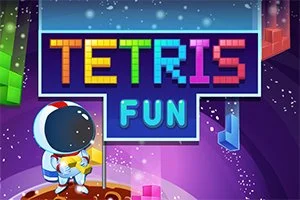
Tetris Fun
Remove existing bricks by completing full lines.
Play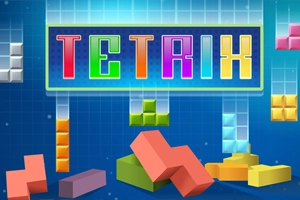
Tetrix
The classic Tetris game.
Play
Tetra
Fun and fast Tetris game.
Play
Block Monsters 1010 Extreme
An extreme game of 1010 with Block Monsters.
Play
Falling Cubes
The classic Falling Cubes game: form horizontal lines.
Play
TetriX!
Tetrix in 3 modes: Time, Classic and Challenge.
Play
Golden Move Quest
Sliding blocks game.
Play
Tetris Dimensions
Play Tetris in 3D on the 4 sides of a Cuboid.
Play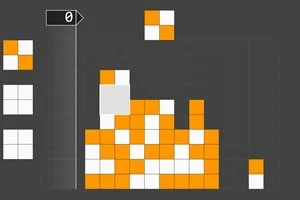
Lumines
Falling blocks: create rectangles of the same colored blocks.
Play
Upside Down
Tetris game Upside Down.
Play
Tetris
The classic Tetris.
Play
SpaceTris
Classic Tetris game with a twist.
Play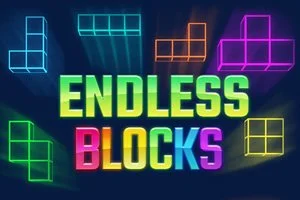
Endless Blocks
Endless Tetris game, try to get the highest score.
Play
Hextris
A challenging puzzle game with falling blocks inspired by Tetris.
Play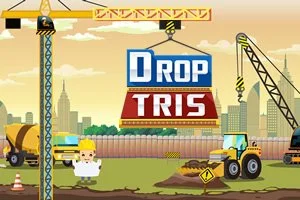
DropTris
Drop down the Tetrominoes and create full lines.
Play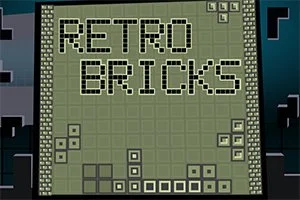
Retro Bricks
Classic Tetris game in a retro style.
Play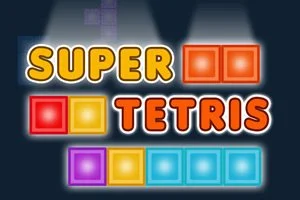
Super Tetris
Wonderful tetris game for mobile and/or desktop.
Play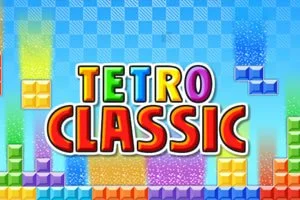
Tetro Classic
Classic Tetris game. Drop down the falling blocks and complete horizontal lines.
Play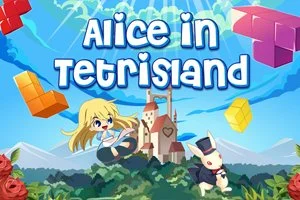
Alice in Tetrisland
Help Alice in this Classic Tetris game.
Play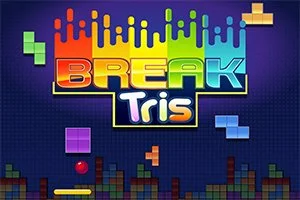
Break Tris
Arkanoid and Tetris combined into a single game.
Play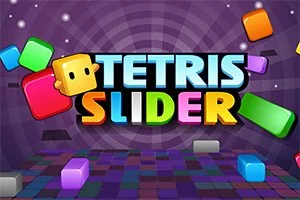
Tetris Slider
Fun block sliding game.
Play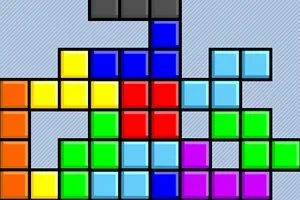
Neave Tetris
The classic Tetris game from Neave.
Play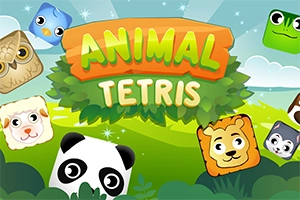
Animal Tetris
The classic Tetris game with animal blocks.
Play